
Media careers guide

How to become a TV or film camera operator

GETTING INTO MEDIA CAREERS: TV / VIDEO / FILM CAMERA OPERATOR

As a video, TV, or film camera operator you’ll record moving images in memorable ways using a blend of technical and creative skills.

Interview tips from Jake, Junior Film and Video Editor at Mediorite

How much money can you earn as a camera operator?

Average salary for camera operator jobs

These LMI Job Trends give you a sneak peek of how much you could earn starting out for media, TV, and film production careers, and how much your salary could grow with experience.

Recent labour market information says you can earn between £18,000 and £50,000 a year as a TV, video, or film camera operator.

Your starting salary as a camera operator can vary because of factors like level of experience, training, or location. It will increase over time as you build skills, knowledge and experience.

DID YOU KNOW: You might be living the project-based freelance life, with varied pay and sometimes working on shoots at weekends, or working away from home. As a freelancer, your day rate can vary between around £230 a day for TV programmes right through to over £700 a day on big budget films.

"My Career Journey"

Young people at Mediorite share their media career tips and routes into the biz in these career Q&As.

MATTHEW: From MEDIA APPRENTICESHIP to Senior FILM EDITOR at age 23

Matthew started out with a media production apprenticeship with Mediorite. Just a few years later he’s a Senior Editor specialising in animation and leading a team of four junior editors… at the age of 23!

AIYSHA: From MEDIA APPRENTICESHIP to Junior FILM EDITOR

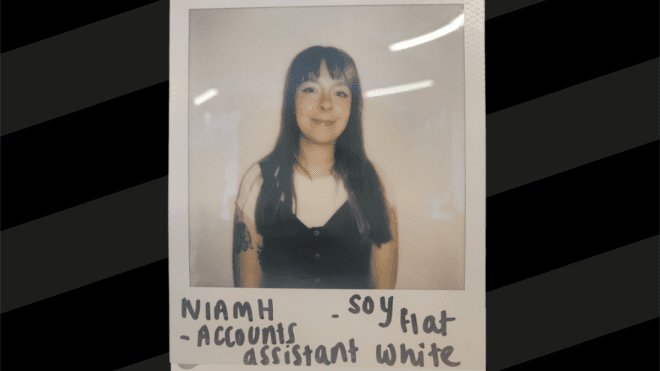
Aiysha Shahid is a Junior Film Editor for video production company Mediorite! She chats through what’s involved in her work as a film and video editor, and how she got into this role via the apprenticeship route.

ELEANOR: From editing traineeship to Assistant PRODUCTION with Netflix & Apple TV+

Find out how Eleanor graduated from Mediorite’s SHIFT film production training course, then found her career path and a job at Netflix. UPDATE: As of November 2024, Eleanor is Second Assistant Editor at Apple TV+.

Eleanor Mance-Moran a film industry professional who graduated from Mediorite's SHIFT programme

AVA: From media graduate to Junior PRODUCER with a mission to represent culture

Mediorite’s Junior Producer / Director Ava Majumdar talks about her career path and creative focus on identity and diversity in film.

ava-majumdar-feature-image

LEANNE: Freelance CAMERA OPERATOR

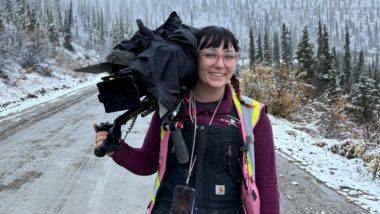
Leanne Rogers is a Freelance Shooting Assistant Producer. She’s also a Freelance Camera Operator for video production company Mediorite! Leanne chats through what’s involved in her work as a camera op, and how she got into this role.

Camera operator woman in snow

IBBY: From MEDIA APPRENTICESHIP to JUNIOR EDITOR

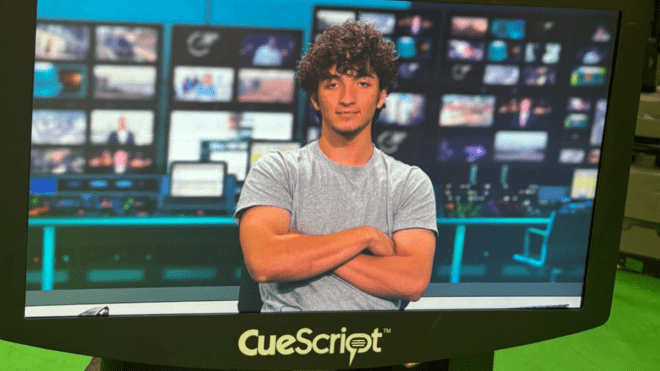
Ibby did a media apprenticeship with video production company Mediorite and is now a Junior Editor flexing his creative muscles with Adobe Suite, social channels and using AI to resolve issues like film quality and formatting. He is progressing his skills by leaning into directing, and could see himself running his own creative company one day.

Ibby Onitolo

JOSHUA: From MEDIA APPRENTICESHIP to CAMERA OPERATOR and TRAINER

After joining Mediorite with a media apprenticeship, Joshua Lamptey has progressed to become a Junior Camera Operator AND a trainer on Mediorite’s SHIFT training programme. He’s developing himself while helping other filmmakers of the future gain skills and confidence for their next steps into creative and media careers.

Joshua talking to camera

What skills does a TV or film camera operator need?

Skills are personal strengths and qualities you might already have, and you can grow them over time in whatever you do. Technical skills can also be involved, and you can develop these through media work experience, courses, or training.

Useful skills to put in your media CV

  • Problem solving skills – You’ll often find yourself thinking on the fly to come up with solutions to technical or practical problems. For example, you may need to find ways to work quickly to capture the magic of optimal natural light during The Golden Hour of photography. If you don’t know, That’s what people call the short period just after sunrise or just before sunset when the natural light has a warm golden glow.
  • Creativity – even when you’re working to a pre-planned script, you can still experiment with ideas and add your input to make the filming memorable in a way that lines up with the overall vision of the project.
  • Self-management, timekeeping and organisation – directors may be willing to wait for a diva A-list star to arrive late, but not the camera operator! You need to arrive on time or early and be prepared to set up equipment and shoot without a hitch. You’ll also need to be able to work quickly, especially when time is of the essence – whether it’s restrictions on shooting permits, light conditions, or anything else that could mean there’s a need for speed.
  • Teamwork – You’ll often work with other camera crew, and there might be a hierarchy, but you’ve all got the same goal – a great shoot. You’ll also be working with other professionals including sound and lighting technicians, the director and producer, and front of camera professionals like actors or interviewees. Be good to everyone and treat everyone with the respect and courtesy you seek. People who like you will remember you, and be pleased to work with you again if the opportunity comes up.
  • Driving licence! TOP TIP: Camera crew are often asked to drive crew, equipment and actors to shoot locations and back. If you’ve got a driving licence, it will make your professional life a lot easier. You don’t want to figure out how to get to a deserted Welsh coast with loads of equipment when relying on public transport.

Top tips for growing your skills

Build a network you can approach for tips and opportunities!

Set up a LinkedIn profile and start following useful media companies, as well as thought leaders in the TV, film, and creative industries.

Join forums and messageboards to gain ideas and approach for support.

Subscribe to creative career newsletters for the latest opportunities and tips.

Whenever you meet and / or work with a professional who likes you, you can add them to your LinkedIn / social networks and potentially ask them for a reference or testimonial if required one day.

Think indie and keep doing what you love! Connect with other young talents and hopefuls like yourself. Enjoy working on small indie projects as a way to build skills and confidence, and meet people in the biz. Enter your work for awards. Celebrate your achievements, no matter how small.

Start building a professional portfolio so you can showcase your work to employers.

Useful resources:


Getting work experience as a camera operator

Work experience comes in many forms. It could include work shadowing a media professional, gaining a work placement, building experience through volunteering, or getting a paid internship.

Research TV networks, film production companies, and film festivals or events in your area. They could all potentially be offering work experience opportunities. Be aware that there will be stiff competition for work placements with big broadcasting companies like the BBC. However, Channel 4 offer a year-round modular virtual work experience for ages 14+ called the 4Skills Work Experience Programme. You can also check out filming work experience online for ages 13+ with Springpod.

Here at Mediorite, we work with London schools to offer work experience placements and are based in the East End. You can also check out The Producers Alliance for Cinema and Television (Pact) for companies who may be offering work experience, internships and opportunities like becoming a runner.

Volunteering can be a great way to build work experience. You can ask to volunteer for film industry events and festivals. With an increase in DIY vlogging and influencing, you can volunteer on friends’ projects for their social channels and hone your camera operating skills by using different techniques and angles to make them stand out from the crowd.

Volunteering is a great way to grow confidence, build media skills, and network – as is attending industry events which you can find via social channels or the likes of Eventbrite.

If you’re taking the university route, there may be chances to gain work experience on student film and TV setups. Join a relevant student society if there’s one going so you can meet like minds and get involved in student filming projects.

TOP TIP: Whenever you gain experience / training, make a note of your skills learned, qualifications gained, projects completed, and new responsibilities achieved to add to your CV. It’s better done when the experience is still fresh, or you might forget everything you learned, did, and achieved.

Always make sure that you have a clear point that you want to get across before starting!

Leanne Rogers, Camera Operator and Associate Producer

What qualifications do you need for TV, video and film camera op careers?

You don't always need a degree to get into camera operation and videography. You can take different routes like training and college courses, traineeships and apprenticeships. You do need motivation to keep going and build up experience as you go.

College

Doing a college course could get  you industry qualifications and help you land your first job as a runner or production assistant, which is a great starting point for becoming a producer.

Example media courses:

  • Level 2 / 3 Diploma In Creative Media Production and Technology
  • Level 3 Diploma in Film and Television Production
  • Level 3 Diploma in Photography
  • T Level in Media, Broadcast and Production
  • Level 2 Diploma In Creative Media Production

Typical entry requirements:

  • 4/5 GCSEs at grades 9 to 4 (or equivalent) for a level 3 course
  • 4/5 GCSEs at grades 9 to 4 (or equivalent), including English and maths, for a T Level

University

You could do a photography or media production degree to help you gain knowledge and experience before you apply for a job with a production company. Aim for a degree which helps you gain work placements, network with industry contacts, and gives you the chance to gain practical skills as you work on projects, challenges, or even live briefs from clients. You will gain general useful skills and knowledge, and may be able to specialise in a chosen field with further study or module choices.

Make sure you check the required and optional modules of any degree course. For example, a film production course might include a camera and lighting module matching your interests. A Film, Photography and Media degree could cover all your bases.

Typical entry requirements:

  • 2/3 A levels (or equivalent). A Media Studies A Level can be useful, but not essential.
Traineeships and courses

Look for courses that involve media production, media technology or photography.

Mediorite offers a free film production training programme called SHIFT to young people aged 18-25 in London. You will gain skills as you work on a live client brief. Check the link for availability.

It’s a really competitive market, but you can apply for the Guild of British Camera Technicians’ Trainee Scheme which offers training and mentoring from experienced industry pros.

Broadcasting organisations like the BBC and Channel 4 offer training schemes:

Some agencies, film schools, and private training providers like the charity ScreenSkills Trainee Finder offer courses and traineeships that could help with your camera operating skills.

The National Film and Television School (NFTS) offers post-graduate cameras for television production courses. Young creatives in Wales or Scotland can check out NFTS Scotland or NFTS Cymru Wales.

Apprenticeships

The film industry values experience more than qualifications. An apprenticeship can be a good way to earn and learn, getting paid to gain practical skills and real-world knowledge as you add to your experience and portfolio.

Example apprenticeships include:

  • Level 3 Camera Prep Technician Advanced Apprenticeship

By starting out with e.g. a camera operator apprenticeship you could work your way up to become a Director of Photograpy.

Typical entry requirements:

  • 5 GCSEs at grades 9 to 4 (or equivalent), including English and maths

How to find junior camera operator jobs

Sometimes jobs aren’t advertised, so it’s important to build up contacts. You can ask them directly about opportunities, or see jobs come up on their feeds which they aren’t advertising on the big media jobs boards.

Keep in touch with any employers you may have met as a result of work placements, internships, training, or volunteering.

Keep an eye out for Runner or Production Assistant roles. Starting out in junior roles is important, whatever film or TV career you want to get into. It helps you build confidence as you learn your way around what’s required of the TV and film industry and how you’d navigate challenges.

While you look for jobs: Build your portfolio / showreel, get involved with local or community film projects, apply to be an extra or volunteer on local shoots, maintain a website or vlog, and ask to do work shadowing to help you build contacts, skills, and confidence.

What does a camera operator do?

Example daily activities

  • Set up equipment before filming – you’ll soon get to know your way around tripods, monitors, cables, lighting and all the other equipment and accessories required to get the perfect shot
  • In many cases, you can offer input on the best way to shoot scenes, achieving storytelling goals through different techniques and angles for powerful visual impact
  • plan shots ahead of filming – especially when you need to achieve perfection in one take, e.g. when using explosives
  • study scripts and storyboards where needed to consider best shooting practice
  • Stay in the know about the latest filming methods and equipment
  • repair equipment and ensure it’s in good nick
  • Know your health and safety guidelines and stick to them for a safe shoot

Did you know?

You can choose to specialise in one of three shooting environments, or chop and change throughout your career. The three environments you’ll typically work in as a camera operator are studios (where you’ll follow a camera script giving the order of shots and work under a direct), outside broadcast (where you’ll work in a team of camera operators to film live events, which could be anything from sporting events to Glastonbury), or on location.

You might sometimes be working outdoors or spending nights and weekends away from home as you spend time on location. You could be working in 5-star luxury in a tropical paradise – but you could also be getting up at 4AM to start work in a cold and muddy field.

As a camera operator you may often be freelancing. In the world of freelancing it’s important to build up good experiences and good contacts if you can, so they will be pleased to hire you again for future projects.

Let’s be honest – this is not a job where constant success is guaranteed. Much like acting, as a TV and film camera operator you could be working on a big-budget Netflix show one minute, then unemployed for several months as the project comes to an end and you’re seeking out a new opportunity.

The great thing about becoming a camera operator is that you have lots of room to explore and broaden your horizons. You could progress to move into production careers, or specialise as a Director of Photography… as a starting point, you can either become a specialist, or get into the TV and film industry and discover your skills and interests in other areas of the sector.