
Mediorite Team
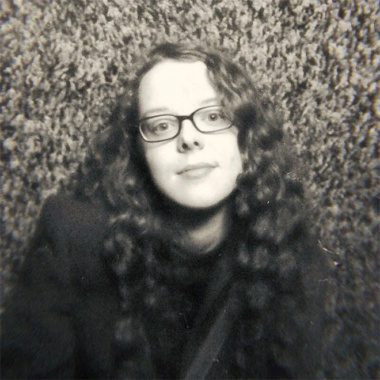
Find out how Eleanor graduated from Mediorite’s SHIFT film production training course, then found her career path and a job at Netflix. UPDATE: As of November 2024, Eleanor is Second Assistant Editor at Apple TV+.
I didn't really know I wanted to pursue working in post production until Mediorite got me work experience and I found out about Assistant Editing and now I’ve got a job at Netflix.

Eleanor Mance Moran: Netflix Edit Trainee & SHIFT training graduate, 2021
Hi Eleanor! How did you get into a film career after completing your film producting training through Mediorite’s SHIFT programme?
After SHIFT finished, Mediorite got me work experience with Bullion which was for 2 months, and then I got a TV post production job runner on the 5th series of the Crown! Since then I’ve worked on Constellation as a 2nd Assistant Editor, Boiling Point for the BBC and I’ve just got a full time position on a Netflix film as an Edit Trainee.
Tell us about your first film and TV work experience. What did you learn?
Bullion really helped me gain the practical office and organisational skills that I needed on the Crown. They had a new starter PDF for office interns. It said “offer everyone in the office tea or coffee at least twice a day!” It was so nice to see this written down because a lot of what happens in this industry you have to figure out yourself and I realised quickly that when you bring people tea and coffee you can start a chat…. that’s how I began spending time with one the editors and they talked me through what they did and gave me tasks.
What was working in post production on The Crown like?
As a post production runner, you’re running around doing jobs as required. My biggest job was to get the lunches. There were lots of editors, the Director and the showrunner and they all wanted different things so I know all the streets of Soho now! One sushi place took hours to make lunches so you’d be getting calls asking where everyone’s food was but I loved it and I got the opportunity to sit in with the editors and ask them questions. You have to be very mindful of their time as the show is the priority but you can learn alot if you ask at the right time.
It was also my first experience of working in post-production on a project of that scale, so I learned so much about the roles in post! Before working on the Crown, I only really knew about Runners and Editors, but that’s where I first learned about Assistant Editing, and where my interest in that role really was sparked. I was lucky enough to work with really great Assistant Editors like Aideen Johnston and Shane Woods who really took me under their wing and showed me the ropes of assisting.
What’s your advice for knowing when to start a conversation?
You really have to learn how to read the signs but my tips are:
-
Always listen to the door and knock before you enter the Editor’s room. Listen to the door first if you can hear them in discussion don’t go in.
-
Ask them if they have a minute or if they prefer I come back later if something isn’t urgent. I had to learn this over the course of working on The Crown because I used to just roll in!
-
Look at their body language for a clue to how busy they are. If they are hunched over the desk looking at the screen DON’T bother them…. If they are looking around with their feet on the desk, go for it!
And never interrupt a screening or a conversation with the showrunner or director!
Then you got a job with Nextflix on Constellation as 2nd Edit Assistant. What did that involve?
I had to download all the footage from the day’s shoot so it was ready the moment the Editors walked in the next day. I set up a system so I could download from home in my pyjamas or login in the morning before I left for work to download. In the morning it is about getting the rushes organised into bins and sent over to the Editors, then once you’ve completed that you can do some admin tasks. The thing no one tells you about post-production is how many spreadsheets there are! My family members think working in TV means spending time with glamorous actors and movie stars, but a lot of it is sitting in office buildings looking at spreadsheets!
I’ve been on other jobs before doing some synchronising of footage (making sure the sound and the video are in sync) so I understood how to work with MFX files and transcode to work with AVID but this was a step up. This is when I started to learn about other parts of the edit like turnovers – going from offline to online edit and working with different types of files.

What are the hours like when working as a 2nd Edit assistant?
It runs the full spectrum from having nothing to do to having five people giving you tasks at once! You’re paid for a 50 hour week but the reality is this might vary with some days being really busy and some quiet. Some days you’re required for the full 50 hours, but during the shoot in TV sometimes you’re able to leave earlier because there simply isn’t enough to do. If you want to know what you should be paid BECTU is really useful
When the shooting finishes and final cuts and turnovers begin going out, that’s usually when things get busier and you’ll be required for the full 50 hours, or even longer. On one job I was in from 8:30 am to 9:00 pm! On one job I had to do a continuity sheet detailing every scene for the broadcaster even though it’s not clear what these are really for! This meant I was doing long days right at the end as the content was being delivered just to cover this admin.
What did you learn in your post production role?
I learnt I love tech and coming up with tech solutions. Also you get a better understanding of the power structures in post-production – there are basically different ladders but for my role your Editor and your fellow Assistants are your key people but there are lots of departments and there can be office politics!
The most important thing I learnt was that 99% of the job is networking, so it was great when I worked at a post house where there were Thursday drinks. It’s great to meet people because you always need to think about the next job. Some jobs I’ve worked on don’t get released for a year so it looks like I’ve been working constantly but there have been big gaps which can be stressful, especially if you don’t live at home.
Highlights:
Seeing my first credit on the Crown as a Post Production Runner and now I’ve got an IMDB page because I’ve got a few credits now. And sometimes the production can feel like a family which is really lovely. Aideen Johnston taught me so much on The Crown and made me feel included in a wonderful way.
Another highlight is when I worked out how to solve a problem with Avid that had really been slowing me down by writing a Python script!
Lows?
It can get especially hectic towards the end of a job and it can be quite easy to feel like you’re drowning. You’re doing one task then someone knocks on your door with 5 more tasks and it can be overwhelming if you don’t know how to manage your time.
Can you share some advice for other young people interested in a career in post production?
-
If you can, be tech savvy and find a faster way of doing stuff
-
If you want to be an Assistant Editor, learn to code! That is how to be a top tier assistant editor ( docs for AVID / for turnovers or online lists ) wrote a python script to translate AVID to CSV . google sheets
-
Make everyone tea and coffee! It’s a great way to build relationships and start a conversation!
Any final reflections on your film career journey?
I always knew I wanted to do something in film and TV but I hopped around in terms of what I wanted to do from writing and directing. When I left SHIFT I had started thinking more about editing. I had a Windows Movie Maker when I was 10 and messed around with it but it was when I worked on The Crown and I started to chat to the Editors there that I realised there was this whole range of jobs I’d never heard of. Now I love it and my creative side comes out in how you solve problems and it turns out I love the technology side.
More from our blog
See the latest news, insights and opportunities from Mediorite's award-winning video production company in London and Leeds.


Get Started
Your story is unique. That’s why we tailor our video production services uniquely to every client. Take the first steps by talking to Lucy Ferguson (MBE) about your project.